

Harrow, Alix E (2023) Starling House. Tor.
Although fantasy is not my thing this modern gothic tale with its haunted house and night horrors caught my attention. Not an easy read though. Opal is determined to find a better life for herself and her brother away from the dying coal town of Eden, Kentucky. Opal is obsessed with Starling House and its nineteenth century story that gives her nightly terrors. Poverty and curiosity draws her to the other-worldly house and its reclusive heir, Arthur. As the sinister forces are unleashed Opal begins to dig into the buried secrets of a dark past. She’ll have to fight to save all she holds dear! A traumatic dark Southern fairy tale.
Rating: 4/5

Berman, Ella (2023) Before We Were Innocent. Berkley.
Best friends, Bess, Joni and Evangeline, are summering in Greece, prior to parting for college, when their futures are ripped apart by the death of Evangeline. What happens next to Bess and Joni is the stuff of nightmares. While they were cleared from any involvement in Evangeline’s death their young lives are subject to years of obsessive media attention. Joni picks up her life by capitalising on her infamy, while Bess becomes a recluse. Then a crime occurs, with similar traits to that fateful night in Greece ten years ago, and Bess and Joni are once again at the centre of a tragedy. A nuanced portrayal of the dark inner lives of teenage girls, female friendship, and the nature of shame that can alter the trajectory of a young life. Captivating, compulsive and suspenseful.
Rating: 4/5
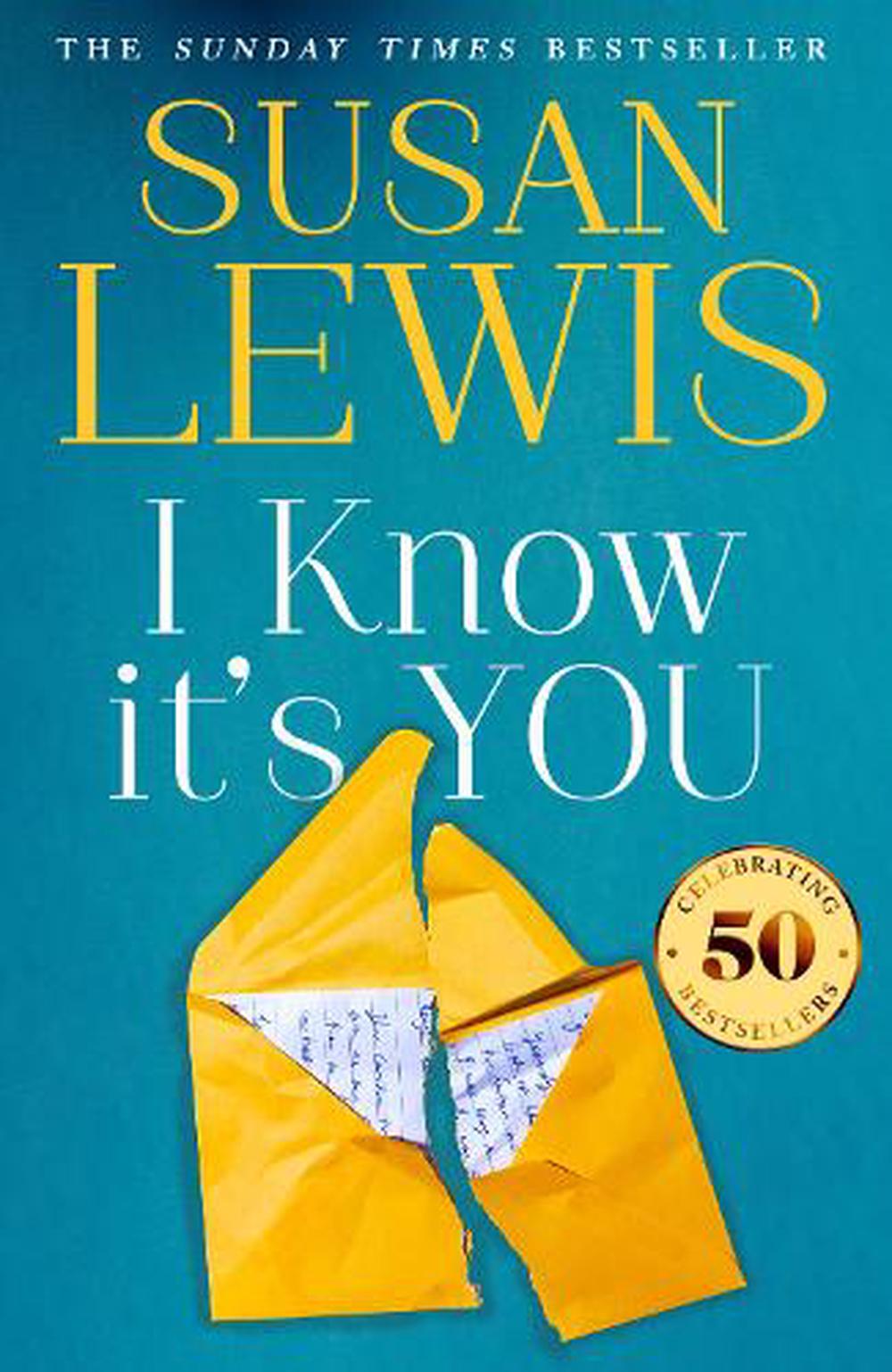
Lewis, Susan (2023) I Know It’s You. HarperCollins.
Marina Forster is given the first chapter of a manuscript but as the chapters arrive, one by one, she is convinced that the aspiring author is writing about trauma in her past. The narrative is centred around a murder that took place many years ago and the accusations levelled at Marina. Marina is desperate that this story never be told and as the chapters unfold she becomes progressively paranoid. This book within a book format didn’t work for me as it becomes increasingly difficult to tell fact from fiction. A bit tedious – a beach read, maybe!
Rating: 2/5

Kennedy, Jonathan (2023) Pathogenesis: How Germs Made History. Torva.
Plagues have shaped world history. Human evolution has not just been about the survival of the fittest but about the way we have adapted to pathogens. Kennedy explores our history via the infectious diseases, viruses, bacteria and other microbes that have devastated and transformed whole civilisations, and society, politics and economics over time. A comprehensive narrative from the rise of Homo Sapiens, and the demise of great empires, to the impact of colonisation, the foundation of the welfare state, and Covid-19. Humans are in a precarious position – infectious diseases create an ongoing existential threat. Kennedy concludes that we need to rethink our place in this world and strive to live in balance with the other living things. Fascinating and revelatory.
Rating: 5/5
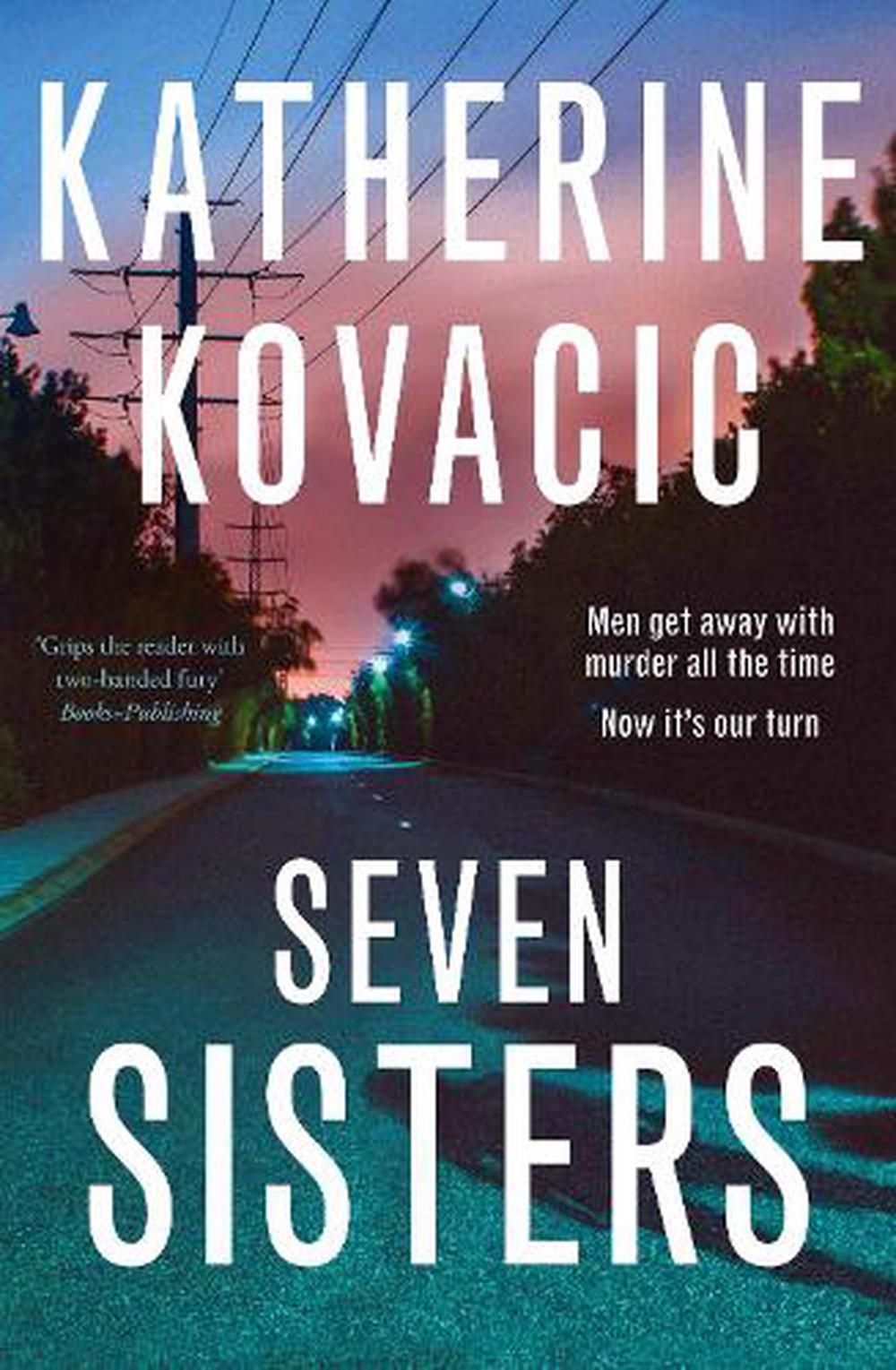
Kovacic, Katherine (2023) Seven Sisters. HarperCollins.
A group of women who have all lost their sisters to male violence meet in a support group. All the men have walked free. The women’s experiences and deep anger have brought them together. Under the guidance of their grief counsellor they formulate a plan to revenge their sisters’ deaths. Hitchcock’s Strangers on a Train becomes their inspiration. Men get away with murder all the time – now it’s their turn. Perfect crime.
Rating: 4/5
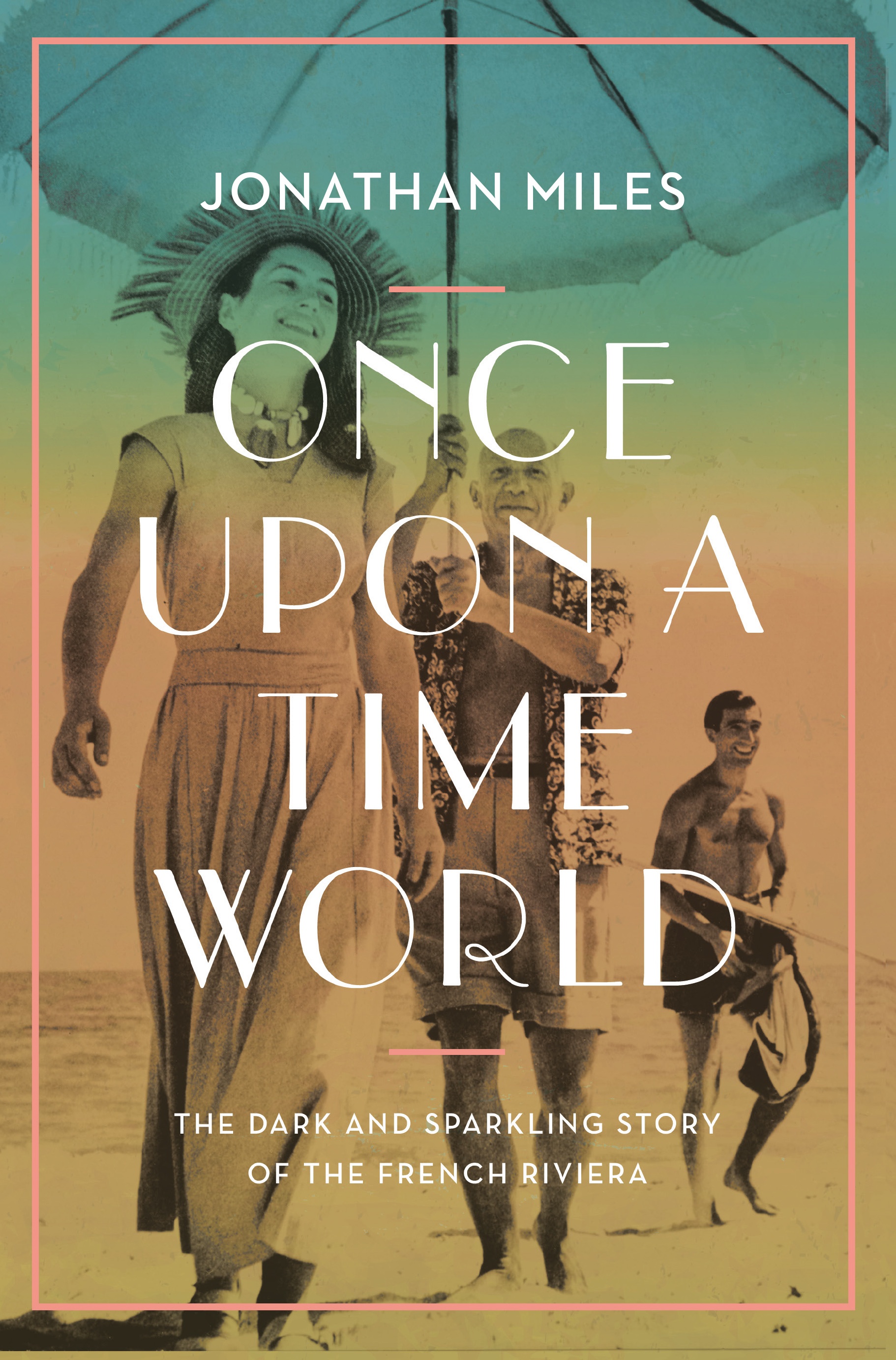
Miles, Jonathan (2022) Once Upon a Time World: The Dark and Sparkling Story of the French Riviera. Atlantic Books.
A two hundred year history of the French Riviera and its transformation from wild Mediterranean coast to modern glitzy phenomenon. The French Riviera, which includes the small sovereign state of Monaco, has long been a place of wealth, style, and hedonism. Beginning with Englishman Lord Brougham’s building of a health resort in 1835, the shoreline overtime drew the very rich, glamorous and talented. It has had an extensive guest list of foreign dignitaries, celebrities, artists and writers, exiles and tourists, all lured by the shore’s exclusivity, lifestyle and natural beauty. Today its reputation is somewhat tarnished as an overcrowded concrete jungle of crime and corruption. Vivid on a magnificent scale.
Rating: 3/5
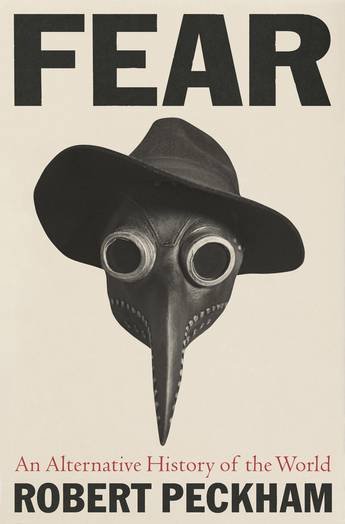
Peckham, Robert (2023) Fear: An Alternative History of the World. Profile Books.
This book considers the role fear has played in world history and traces how it has shaped human behaviour over the centuries. Fear and the panic it produces has been a driving force in our history – fear of God, famine, disease, war, poverty, and other people. Peckham takes a broad scope covering off on deprivation, plague and pestilence, Church doctrine and ritual, violence, chaos and revolution, the nature of power and control, science and catastrophe, and conspiracy theories and the weaponisation of disinformation. He highlights the political nature of fear and how fear connects us as individuals and societies. He sees fear as a central energising force that drives history. Therefore, fear can be good as a motivational force that focuses the mind. Wide-ranging and thought-provoking.
Rating: 4/5
 7:30 Bookclub