

Strout, Elizabeth (2024) Tell Me Everything. Penguin/Viking.
We meet Strout’s ensemble of leading actors who have now all converged on coastal Maine with their interlocking narratives. Although Bob Burgess is the leading man, Lucy Barton is once again a key player, with Olive Kitteridge, now 90 years old, on the side. Lucy, on the verge of her remarriage to William, has become close friends with Bob. They intimately talk about their lives. Lucy and Olive have met and built a bond by sharing stories. Interwoven in the tale is a murder mystery where lawyer Bob is called upon to defend a lonely local man accused of murdering his mother. This is a novel of confessions, gossip, memories, tall tales and meaningful relationships. Subtle, familiar and comfortable but a little bit depressing in its obliqueness.
Rating: 4/5
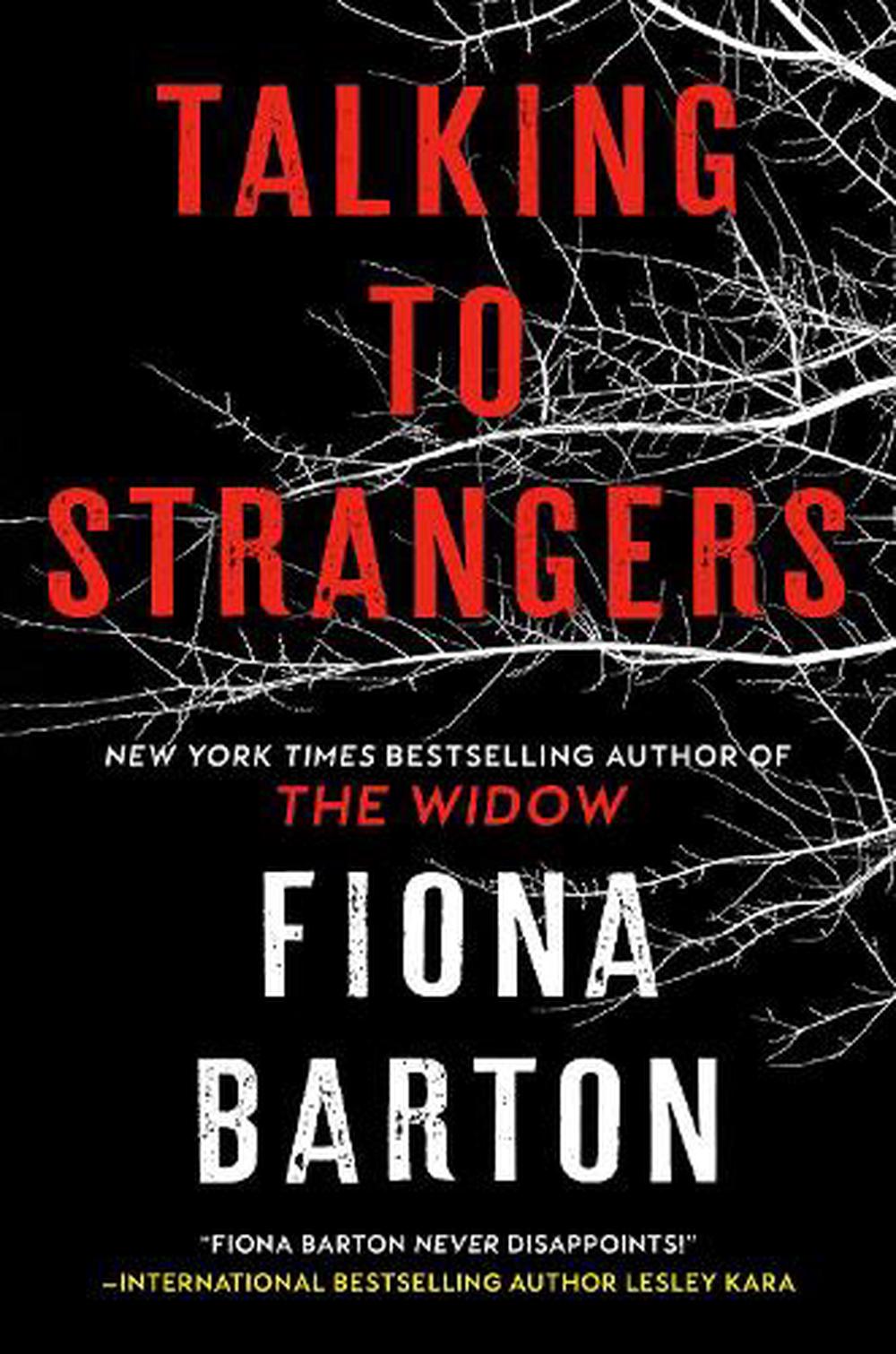
Barton, Fiona (2024) Talking to Strangers. Berkley.
DI Elise King returning to work following cancer treatment is called upon to investigate the murder of Karen, a local hairdresser, in the woods outside the town of Ebbing. Karen has been active on dating apps and Elise suspects she has been killed by a man she met online. Meanwhile ambitious reporter Kiki Nunn is relentless in her desire to get a scoop by solving the crime, which brings both Elise and Kiki into the orbit of a sinister group of online predators. Cleverly crafted with heaps of tension. Compulsive read.
Rating: 4/5

Callahan, Maureen (2024) Ask Not: The Kennedys and the Women they Destroyed. Mudlark.
This book is an exposé of the Kennedy men and their legacy of toxic masculinity, misogyny, havoc and murder. This fabled family has been synonymous with wealth, power and scandal. The narrative has been ruthlessly controlled by the Kennedy myth. A tale of greatness and noble men of integrity. Callahan reveals a history of abuse, exploitation and impunity, by putting the Kennedy men’s ‘victims’ at the centre of this reckoning. From Jacqueline Onassis and her daughter-in-law Carolyn Bessette to Marilyn Monroe, Mary Jo Kopechne and many others this is a story of traumatised and marginalised women recast as sluts, addicts, crazy bitches and vengeful harridans. It reads like a soap-opera, but Callahan’s meticulous research tells a grim horror story.
Rating: 4/5
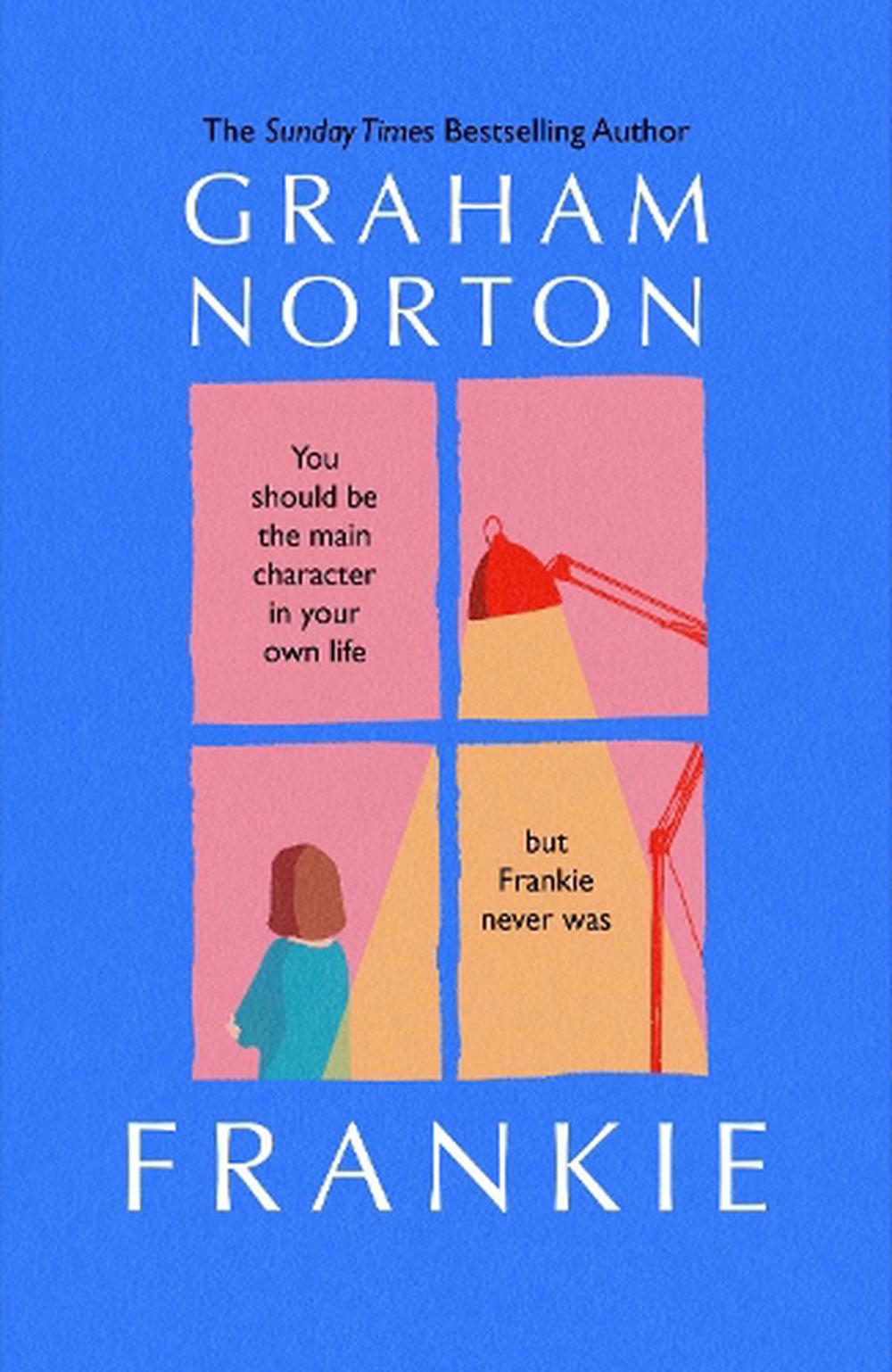
Norton, Graham (2024) Frankie. Coronet.
Damien, a young Irish carer, arrives to support a fall-victim, octogenarian Frankie. Frankie and Damien are from the same part of West Cork and as they bond she tells her remarkable life story. After fleeing 1950s Ireland orphan-bride Frankie grabs at a life in both London, and latterly New York, becoming the doyen of the bohemian New York restaurant and art scene. Her adventures and misadventures are intense. A memorable and tender story of bravery and love across the decades. Graham Norton’s storytelling skills are going from strength to strength. A heartwarming pleasure.
Rating: 4/5

Turchin, Peter (2023) End Times: Elites, Counter-Elites, and the Path of Political Disintegration. Allen Lane.
Academic, cliodynamicist and complexity scientist Turchin’s central argument is that when the balance of power tips too far in favour of the elites income inequality surges, frustration with the establishment boils over and political instability occurs. He suggests the confluence of a number of factors, including the growing gap between the rich and poor, the over production of graduates and the competition for privilege and power, declining public trust and increasing public debt has put the US in crisis since 2020. By using datasets and examples from the science of human history he explores the effect of a top-heavy social pyramid and its impact on civic cohesiveness, social forces and contracts. Turchin is seeking a methodology to explain, and to mitigate, these existential threats.
Rating: 4/5
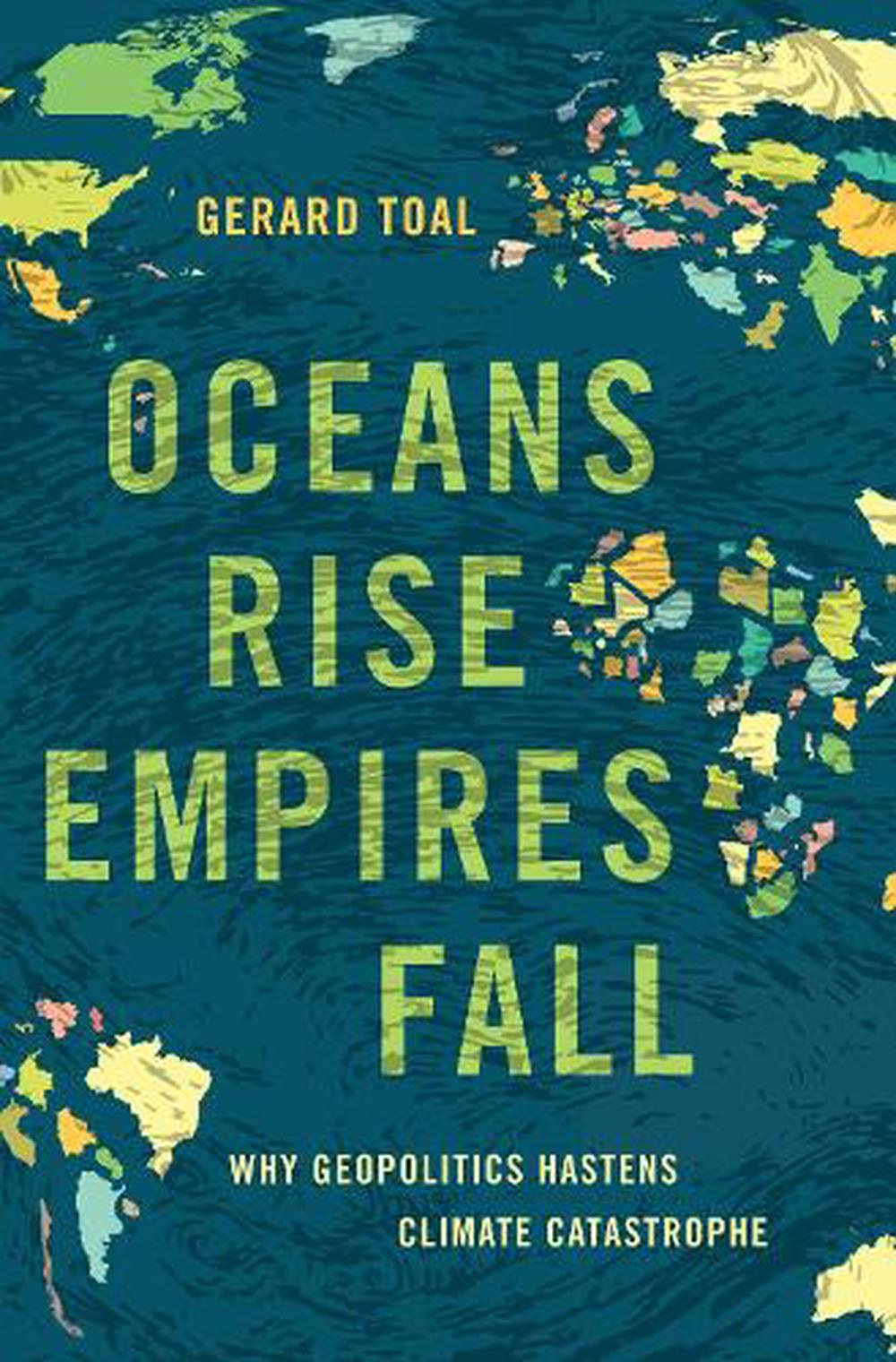
Toal, Gerard (2024) Oceans Rise Empires Fall: Why Geopolitics Hastens Climate Catastrophe. Oxford UP.
The alarming trajectory of the Earth system is now well known however modern civilisation continues to operate as ‘normal’. “It is easier to imagine the end of the world than the end of capitalism” is a popular sentiment. Although the coming climate catastrophe doesn’t have a single cause it is exacerbated by self-serving ideological and territorial geopolitics. Toal’s book contends that a critical analysis of geopolitics is necessary to understand why collective action on climate change is being undermined. Endless growth, destruction of the natural environment, political status, and territorial dominance are barriers that are making the Earth less habitable. An indictment of a crime against the planet.
Rating: 4/5

Johnson, Jill (2024) Hell’s Bells. Black & White.
In her second outing Professor Eustacia Rose, Head of Botanical Toxicology at University College London, is called on to help the police when a man is found poisoned. On top of this there are threats from a PhD student who wants access to her poisonous plant collection. He is later found dead from the same toxin. Both murders put her in the frame. With no obvious leads Eustacia begins to investigate which draws her into the illegal world of plant toxins on the dark web. Quirky but with not a lot of substance.
Rating: 2/5

Burgis, Tom (2024) Cuckooland: Where the Rich Know the Truth. W. Collins.
This mind-blowing true thriller reveals how the rich and powerful suppress the truth and subvert reality. Investigative journalist Burgis has fearlessly gone where few will tread. At the centre of Cuckooland’s story is Mohamed Amersi, a donor to the UK Conservative party, a philanthropist, an advocate for tackling international corruption, an international dealmaker and a man who knows the King. He is man who has made questionable deals between multinational corporations and authoritarian regimes, has enriched himself in the process and who now seeks to control the narrative by seizing reality by force. Burgis asserts we are seeing the privatisation of reality and this is being hastened by the advent of generative AI. Who owns the truth? Is everything for sale? Shocking exposure of a secret world.
Rating: 4/5
 7:30 Bookclub